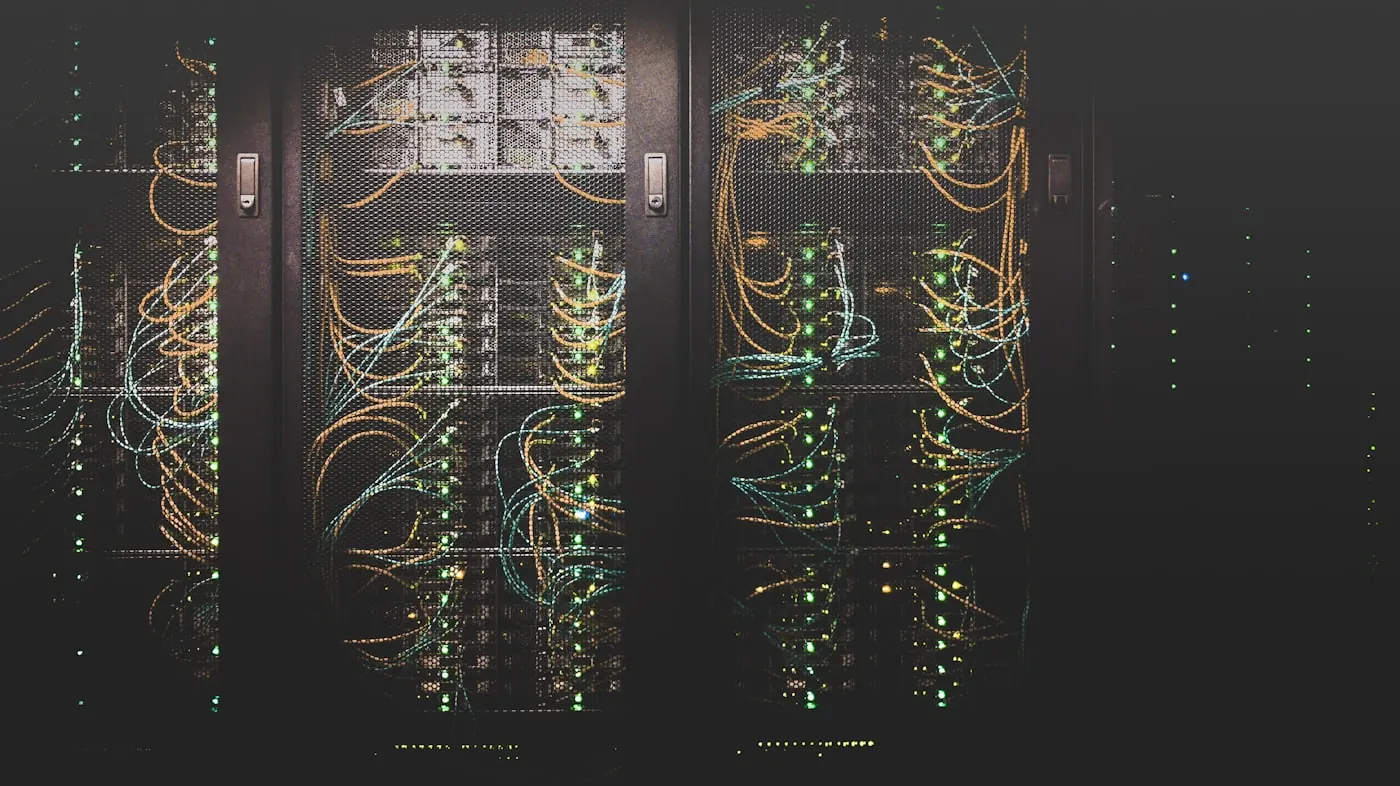
Observability: knowing your application is broken before residents tell you
Logs, metrics, and traces are not a luxury for public-facing systems. They are how you keep a promise.
Notes from the HQT team on the technology we build for public agencies: AI, cloud, security, data, and software.
Logs, metrics, and traces are not a luxury for public-facing systems. They are how you keep a promise.
Chunking, metadata, permission filtering, and evaluation decide whether an agency assistant is useful, and the model is the replaceable part.
The largest model is not always the right one. For classification, extraction, and grounded answering, smaller models running in the agency's own environment often do the job.
Staff at a counter and residents on a phone need different things from the same system. Both can be served well.
Short, specific contract language that protects agencies buying AI-enabled software.
Short definitions for procurement and program staff who have to evaluate technical proposals.
Any system that lets a language model read untrusted text has a new class of vulnerability. Here is how we test before launch.
What a generative AI acceptable use policy must cover, what it should leave alone, and how to keep it from going stale.
A repeatable patch process beats any security product an agency could buy.
Vendors are adding AI to platforms agencies already license. Here is what to test first, and what to leave switched off.
A short, plain-language document that explains what a model does, how it was tested, and where it should not be used.
Phishing-resistant sign-in is finally practical for ordinary staff. What goes smoothly, and what needs planning.
Coding assistants are part of how software is written now. Here is what that changes about review and testing, and what it does not.
Publishing what people repeatedly ask for is cheaper than answering each request by hand.
Addresses disagree across permitting, assessment, billing, and dispatch, and reconciling them takes an address layer with a named owner.
A two-hour exercise format that gets department heads and elected officials ready for a bad day.
Legacy data resists conversion in ways a schema mapping never shows, so we plan and validate migration as its own project.
How to connect commercial platforms without building a fragile web of point-to-point links.
How classification models can route 311-style requests, and the guardrails that keep residents from falling through.
Cloud providers secure the cloud. Agencies secure what they put in it. The line between those matters in an audit.
Agency systems outlive the teams that choose them, so we default to components that will still be supportable, staffable, and patchable in ten years.
Copying production databases into test environments is common, risky, and usually unnecessary. Here is the alternative.
A method for building a defensible cloud cost estimate before a migration, and the line items a first model leaves out.
Why variable cloud bills are a governance problem for agencies, and the controls that keep them predictable.
For sensitive data, the model should come to the data. Here is what that looks like in practice.
The term is overused. Here is the concrete set of practices behind it on our projects.
We draft the runbook for a new service before building the feature it describes, because the operational story surfaces design problems early.
Next Generation 911 routes calls using GIS. That changes what "good enough" means for address data.
Real-time data from meters and sensors looks simple until the sensors misbehave. Design notes for utilities and public works.
Zero Trust is a set of design choices, most of which agencies can make with tools they already own.
A tabletop built around a failed migration or a vendor outage tests decisions a ransomware scenario never reaches.
A retrieval-augmented assistant over a published city code, built as an internal exercise. The hard parts were not the model.
When a Power Platform or ServiceNow app is the right call, when it is not, and how to tell in advance.
Most dashboards die within months. The fix is less about visualization and more about definitions and ownership.
SOC 2 reports are long, but the four places that should change an agency procurement decision are short and specific.
A note on how HQT is building its own security program before asking agencies to trust us with theirs.
Governing bodies fund what they can see. A simple format for showing security maturity over time.
A practical summary of the CJIS Security Policy requirements that affect developers and integrators.
SPF, DKIM, and DMARC in plain terms, a sequence for reaching enforcement without breaking mail, and the fraud none of them touch.
How the strangler pattern lets an agency modernize one function at a time while the old system keeps running.
The most valuable part of a utility digital twin is the part nobody wants to fund: accurate asset data.
What the ADA Title II web accessibility rule requires and how to start remediating now.
The artifacts and demonstrations an agency should require at closeout: code, pipelines, runbooks, credentials, and documentation.
The case for scripting your cloud environment even when there are only two of you.
Why MFA everywhere is the highest-value control for a small agency, and how to roll it out without a revolt.
Resident-facing services have spiky demand and small budgets. Pay-per-use architecture fits both.
The sections we insist on before we start a software engagement, and why each one protects the agency as much as us.
File transfers, direct database access, and APIs each fail in a way that tells nobody. Here is how to make each failure visible.
A short account of who we are, what we are trying to build, and why we chose state and local government.
Why "the system shall work" cannot be enforced, and how to write acceptance criteria that produce a clear pass or fail.
A question set for reviewing a vendor software architecture before award, and the answers that show a design has not been thought through.
What the line items in an IT budget request mean, the questions a governing body should ask, and what a strong request contains.
An availability target is enforceable only when the contract defines what counts as available, how it is measured, and what a miss costs.
How we structure a two to four week discovery engagement, what it delivers, and why a fixed price keeps the findings honest.
A practical walkthrough of testing an agency site with a screen reader: what to check, what breaks most often, and how to order the fixes.
Audit logging works best designed backward from the few questions auditors ask, with retention set by policy rather than by tool defaults.
Get in touch
Talk with an HQT engineer. We respond to agency, corporate, and partner inquiries promptly.